Understanding the Importance of Soil Stabilization in Land Clearing May 04, 2026
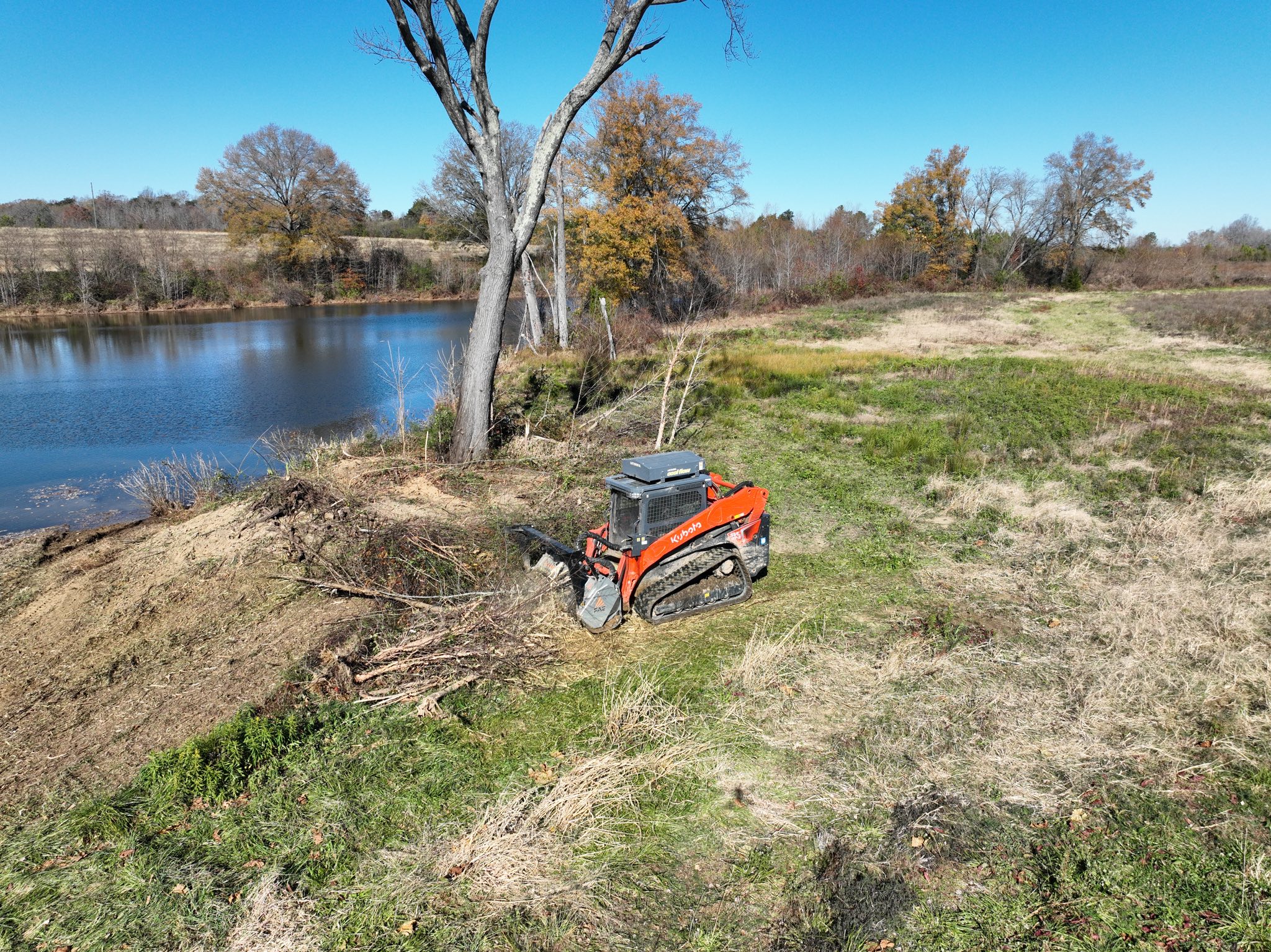
Land clearing involves the removal of trees, stumps, and other obstacles to prepare a site for development. In this process, soil stabilization is vital as it helps to ensure the ground remains firm and ready for subsequent construction activities. Essentially, soil stabilization is the process of altering soil properties to improve its strength and durability. This process is especially important in regions with clayey or sandy soils that are prone to erosion and instability.
One of the primary benefits of soil stabilization is its ability to enhance load-bearing capabilities. As land is cleared and prepared for projects such as roads, buildings, or landscaping, the soil must be able to support significant weight. Without proper stabilization, there is a risk of uneven settling and foundation issues that can compromise the structural integrity of any construction endeavor.
Moreover, stabilized soil provides a more controlled environment during grading, a critical phase of land preparation. Grading ensures that the land is level and sloped appropriately to prevent water accumulation and erosion. When the soil is unstable, the process can be challenging, leading to poor results and potentially costly corrective measures. By stabilizing the soil before grading begins, companies like Hunt’s Hauling & Landworks LLC can achieve more predictable and effective outcomes.
Another significant advantage of soil stabilization is its environmental impact. Land clearing often poses risks of soil erosion, which can affect local ecosystems and contribute to water pollution. Stabilization techniques, such as adding lime or cement, help bind the soil particles together, thus reducing erosion and preserving the environment. This approach is essential for maintaining the ecological balance, particularly in environmentally sensitive areas.
Furthermore, soil stabilization contributes to cost savings in the long term. By increasing the soil's stability, land developers reduce the need for frequent maintenance and repairs, which can be costly and time-consuming. Stabilized soil also reduces the risk of project delays caused by adverse weather conditions, thus ensuring that development projects adhere to their timelines and budget constraints.
In conclusion, understanding the importance of soil stabilization in land clearing is key to optimizing land preparation and promoting sustainable development. Companies like Hunt’s Hauling & Landworks LLC prioritize soil stabilization to enhance the quality and reliability of their land clearing services. For those embarking on construction projects, recognizing the role of stabilized soil helps in planning more effectively, reducing risks, and ensuring lasting results.
So, the next time you're considering a land clearing project, remember to consult with professionals who understand the intricacies of soil stabilization. Not only will this step safeguard your investment, but it will also contribute to the success of your project and the preservation of the surrounding environment. Embrace soil stabilization as a fundamental component of your land development strategy, and you’ll be on the path to constructing projects that stand the test of time.
/filters:no_upscale()/filters:format(webp)/media/d32830a1-add9-435d-8cfd-87351faa3b90.jpeg)