Essential Tips for Safe and Efficient Land Clearing Projects Jun 23, 2026
First and foremost, it is vital to conduct a thorough site assessment. Before any work begins, examine the landscape to identify the type of vegetation, the terrain’s slope, and any potential hazards such as water bodies or power lines. Understanding the specific needs of your land allows you to create an effective plan and choose the appropriate techniques and equipment for the job. This initial step ensures a smoother operation and helps mitigate unexpected challenges.
Safety is paramount in land clearing projects. Equip your team with the necessary personal protective equipment (PPE) including helmets, goggles, gloves, and steel-toed boots. Also, provide training on the safe use of machinery and details on handling potential onsite hazards. Prioritizing safety not only protects your workers but also reduces the risk of costly delays.
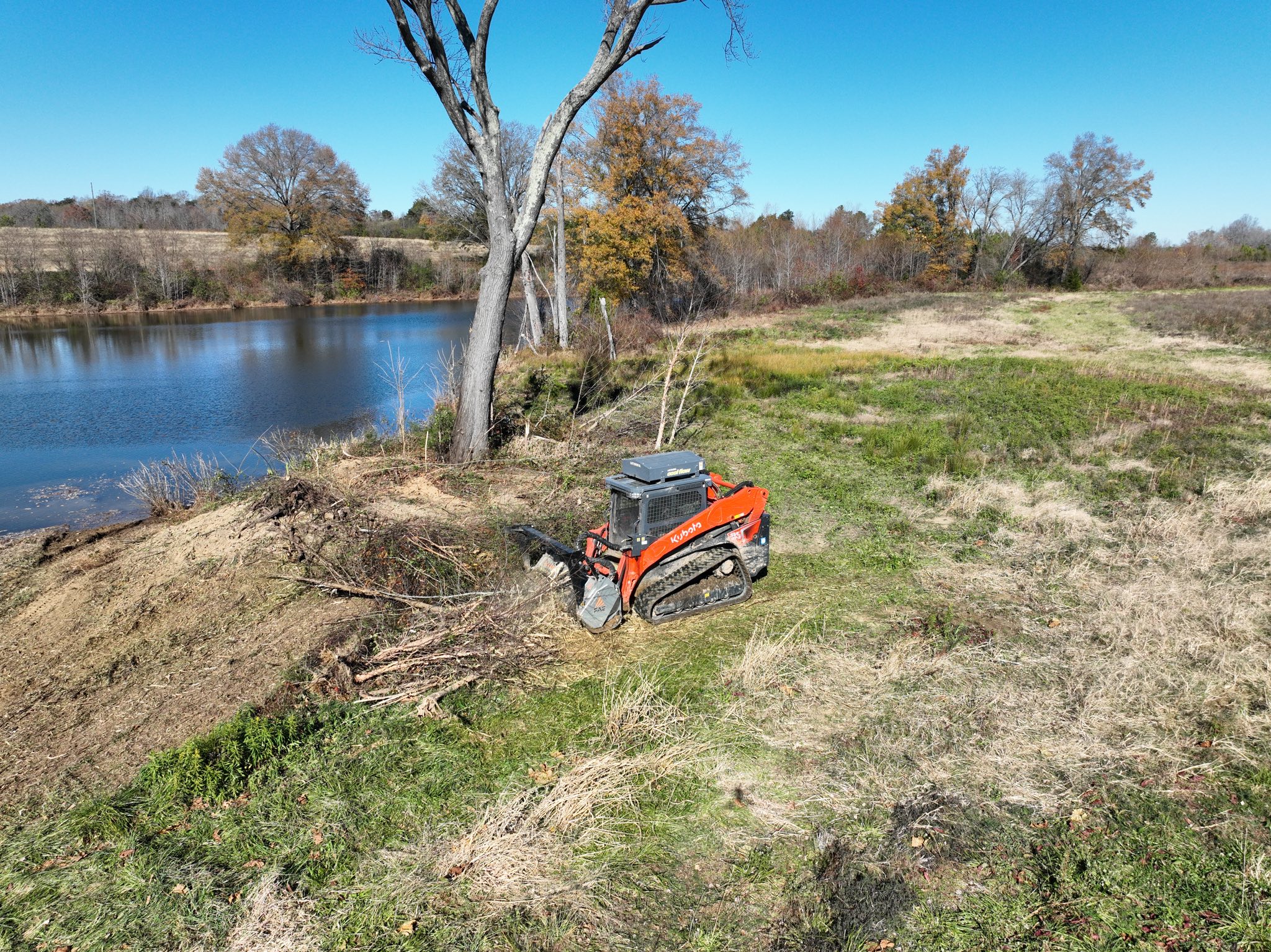
To maximize efficiency, utilize the right machinery for your project’s specific needs. Heavy machinery such as bulldozers, excavators, and chainsaws are indispensable in clearing large areas of land. However, for smaller projects, consider using less invasive equipment like brush mowers or compact loaders. The correct selection of machinery can significantly influence both the project's pace and outcome.
Another critical aspect of land clearing is understanding local regulations and obtaining necessary permits. Regulations can vary significantly across regions, and failing to comply can lead to hefty fines or project shutdowns. At Hunt’s Hauling & Landworks LLC, we recommend liaising with local authorities to ensure all legal requirements are met before commencing your project. This step is essential for maintaining project integrity and legal compliance throughout.
Managing the cleared vegetation is an important yet often overlooked component of land clearing. Develop a plan for the disposal or repurposing of debris. Options might include mulching for erosion control, composting, or transporting waste to designated facilities. Sustainable disposal methods not only help the environment but can also provide cost savings and contribute positively to community relations.
Communication plays a vital role in any successful project. Ensure regular updates and clear communication lines between all stakeholders involved, be it contractors, architects, or clients. Doing so fosters a collaborative environment, minimizes misunderstandings, and keeps the project on track.
Lastly, wrap up your project with a comprehensive post-clear check. Review the cleared area for any remaining stumps, debris, or potential hazards. This final inspection guarantees that the land is ready for its intended use and free from any safety concerns.
In conclusion, executing a land clearing project requires meticulous planning, adherence to safety standards, and effective communication. By following these tips, you can ensure that your project is conducted safely and efficiently, setting the groundwork for successful future developments. At Hunt’s Hauling & Landworks LLC, we are committed to providing professional and dependable land clearing and grading services to help you achieve the results you desire.
/filters:no_upscale()/filters:format(webp)/media/d32830a1-add9-435d-8cfd-87351faa3b90.jpeg)